- The cranberry interpretation centre’s public season runs from 1 to 18 October.
- Guided wagon visits take visitors to a producing cranberry farm.
- Flooding a field helps farmers collect the berries, which have natural air pockets.
Inside this story 2 perspectives
A field full of floating red cranberries is such a familiar autumn picture that it invites the wrong conclusion. The berries grew on low plants. The water that turns the field into a pool is part of the harvest. At Saint-Louis-de-Blandford in Québec, the cranberry interpretation centre’s short October visiting season gives people a view of that change, including over the Canadian Thanksgiving holiday on 12 October.
The centre schedules guided tours from 1 to 18 October. Visitors ride in a wagon to a producing cranberry farm, where the life of the field provides a different starting point from a jar of sauce or a bag of dried fruit. Regional tourism information describes a route that follows the crop from establishing a field through to harvest. What a visitor sees at any one moment will depend on the work underway.
Water as a harvesting tool
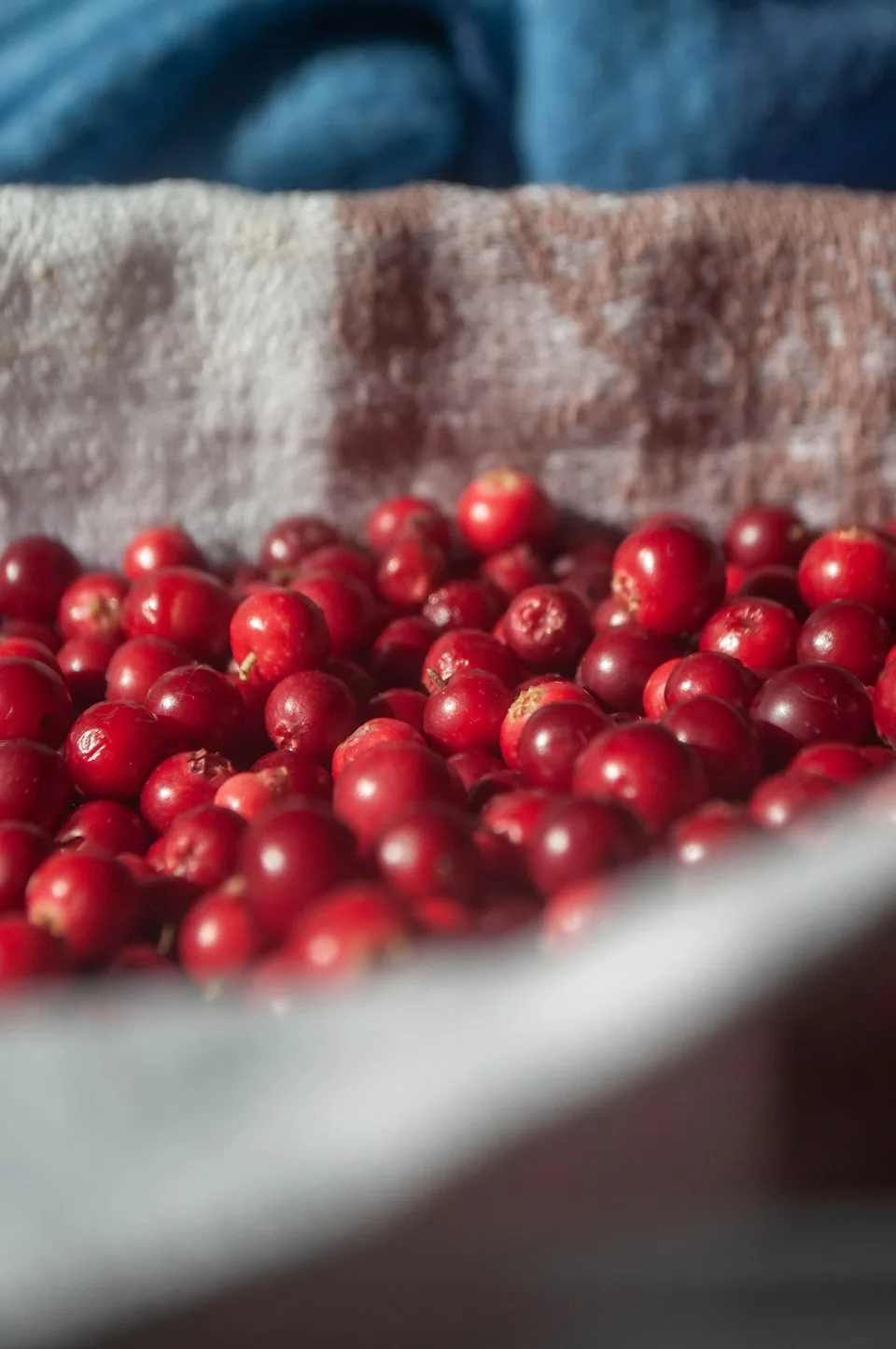
As Montréal’s public markets explain, producers temporarily flood their fields in autumn. Berries released from the plants float because they contain natural air pockets. Water allows growers to gather large numbers of these small fruits from the surface. The plant has done the work of growing its crop before the most photogenic stage starts.
That sequence helps explain why a striking field photograph is a poor guide to how the fruit grows during the rest of the year. It is also a reason to listen to the guide when the scene looks quiet. The difference between a field just flooded, a surface covered in fruit and a field already cleared may be a difference of timing in the harvest. Each can tell a visitor something about the work that produced the same bag of berries.
Before the sauce reaches the table
The programme includes an interpretation room and opportunities to taste processed cranberry products. The shift from field to tasting is particularly apt at Thanksgiving. A tart berry can play a different role depending on how much sweetness a cook adds, whether the fruit stays whole and what it accompanies. Tasting more than one preparation can help a visitor decide what to do with the next purchase beyond repeating a holiday recipe.
The centre also advertises a designated pool where visitors can put on waders for a photograph among cranberries. That is a separate visitor activity, an entertaining approximation of a familiar image. The wagon tour provides the agricultural context around it. With a visiting season measured in weeks, the pleasure of the outing is in seeing why the image exists at all, at the moment in the year when a cranberry field can briefly look like a lake.