- The Prescott museum scheduled free entry, Native artists, music and dance for 12 October.
- The museum building opened in 1935 in association with a non-Native organisation.
- A Hopi protest in 1990 preceded the end of the old group’s ceremonial performances.
Inside this story 2 perspectives
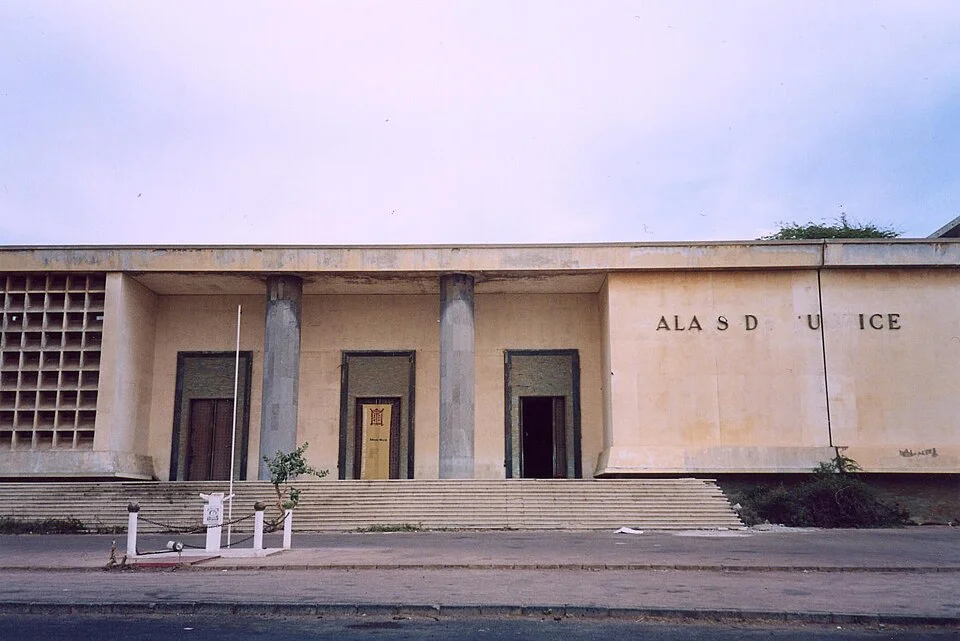
A building in Prescott, Arizona, offers an unusually specific reason to ask who gets to interpret a ceremony. On 12 October the Museum of Indigenous People scheduled free admission, Native artists and artisans, music and dance for Indigenous Peoples’ Day. Its own account of the programme begins with a history that complicates the occasion. The building once belonged to a very different tradition of putting Native culture on public view.
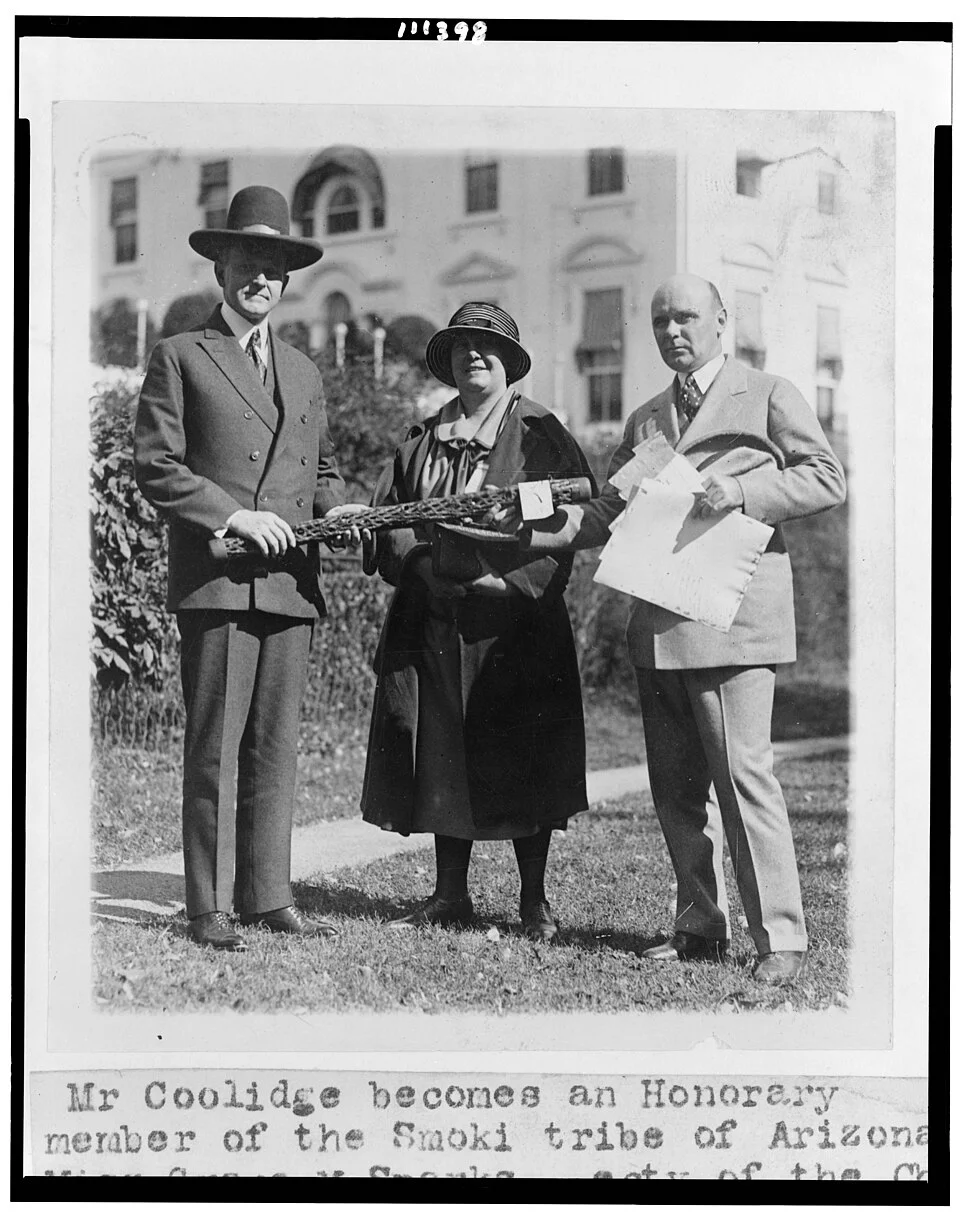
It opened in 1935 as the Smoki Public Museum. It was associated with a non-Native organisation founded in Prescott in 1921, whose members performed versions of Native ceremonies. Among the traditions they depicted were sacred Hopi practices. According to the museum, many performers were white Prescott residents. The present institution operates in a region with a Yavapai history far older than the city or the building. Neither Yavapai nor Hopi history can be reduced to a local association’s use of Native imagery.
When the people depicted spoke back
In 1990 a delegation from the Hopi reservation protested the way traditions were being portrayed. The August ceremonial that year was the final one, the museum recounts. The museum became an independent nonprofit in 1991 and changed its name to Museum of Indigenous People in 2020. Arizona public radio covered that later decision, tracing the former name to the group that had imitated Hopi dances. Visitors who remember the building by an older name are remembering a real change in its public identity.
A change of name is a fairly visible act. Differences in who decides what goes on display can be harder for a visitor to see. A basket or photograph may look much the same on a wall after its label has changed. It means something different, however, if people connected to the work can identify its maker, explain the occasion or decide that a part of its history should remain private.
Who can tell the next part?
A gathering that brings living artists into the museum provides one answer to the problem of treating a culture as finished. A maker can speak about the choices in a recent work and about what has changed over time. They may also choose what they wish to discuss. An invitation to share work is compatible with limits on what a visitor can assume or pass on.
The museum’s published programme created room for performance and for informal encounters with artists. Its account of why the day matters also points visitors back to the institution itself. The people who once used this building to tell somebody else’s story had an audience. The people deciding how to tell their own stories today deserve one that knows the difference.