- A 5 October bulletin described varying conditions on trekking routes after late-September weather.
- The new Dubai connection changes access to Pokhara itself.
- Three city museums offer different ways to understand the Annapurna region.
Inside this story 2 perspectives
A traveller can fly into Pokhara and still have to rethink the next part of a journey. Nepal’s 5 October travel update described the effects of heavy rain and snow late in September and how differently they were being felt along trekking routes. Its account of interruptions on some sections is a reason to keep the details of an onward itinerary flexible. It also poses an agreeable question for anyone with a day to spend in Pokhara. What can the city itself tell you about the mountains?
The question has a new audience. Nepal Tourism Board says a scheduled link from Dubai to Pokhara began on 23 September. Arriving at the airport from abroad can shorten one leg of an itinerary. It tells a visitor little about the condition of a mountain path some distance away. Treating the city as a place worth seeing in its own right takes some pressure off an itinerary built around a fixed departure for the hills.
The people in the mountain picture
The International Mountain Museum offers a place to begin because its subjects extend well beyond summits. The Pokhara Tourism Council describes collections on mountain peoples, the physical environment and mountaineering. A visitor can follow the familiar story of an ascent or spend time with the communities who remain in the region long after an expedition goes home. Seeing the two subjects together makes for a different reading of the photographs, equipment and maps associated with climbing.
Pokhara’s Regional Museum narrows the geographical field and widens the human one. Its collections encompass communities including the Gurung, Thakali, Magar and Tharu. These are distinct names worth learning before using a single phrase to describe the people of western Nepal. The city’s position on an old commercial route between India and Tibet, documented by Nepal Tourism Board, helps explain why the history of the region invites more questions than a mountain panorama can answer.
A lake and a campus collection
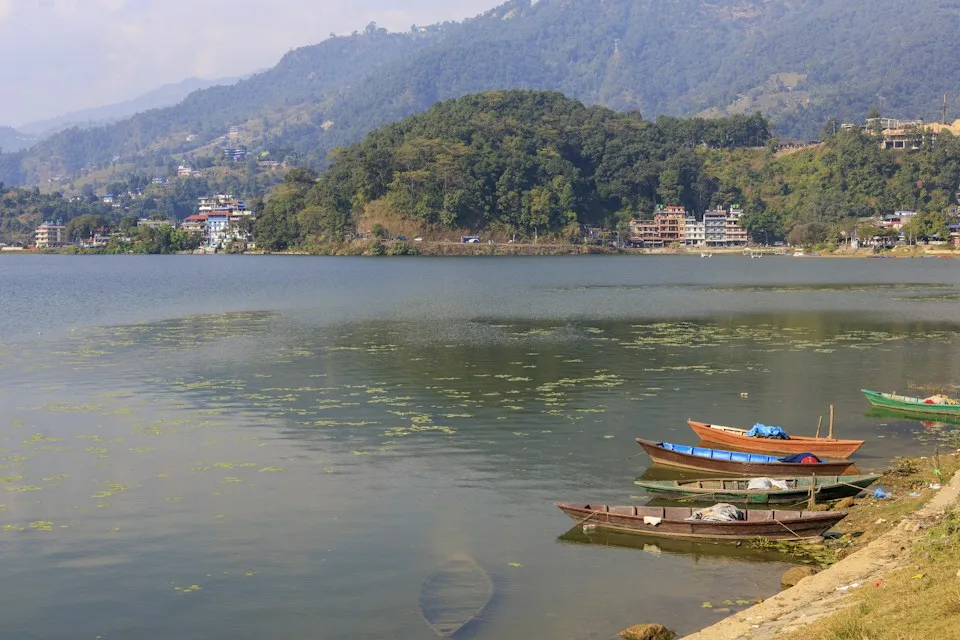
Phewa Lake provides one of Pokhara’s best-known views, with the outline of Machhapuchhre reflected when conditions allow. It is one of a group of lakes that also includes Begnas and Rupa. A different kind of looking is possible at the Annapurna museum on the Prithvi Narayan campus. Known for its butterfly collection, it also holds geological material. The attraction here is a change of scale, from an entire mountainside to the form of an insect or the structure of a rock.
No city museum can settle whether a particular stretch of trail will be passable on the day of departure. The October bulletin is dated information, and individual routes require their own updates. What the city can offer is an encounter with the region that does not depend on reaching a particular elevation. An extra day beside the lakes can put names, people and specimens into a landscape many visitors first came to see from a distance.