- World Occupational Therapy Day falls on 27 October.
- The 2026 theme is Participation Matters.
- Occupational therapists consider activities in homes, schools and workplaces and work with people of different ages.
Inside this story 2 perspectives
“I want to make breakfast for my daughter again” gives a listener considerably more information than “I find mornings difficult”. The first description identifies an activity, another person and a part of the day that someone would like to regain. It still leaves room to ask where the difficulty lies. That is a useful place to start a conversation about occupational therapy.
World Occupational Therapy Day falls on 27 October. The theme for 2026, Participation Matters, draws attention to activities and roles that give a day its shape. They may include paid work, but also play, school, getting dressed, using transport or taking part in a meal. UK National Health Service guidance describes occupational therapists as working with people of all ages in settings that include home, school and the workplace.
Describe one real occasion
Someone preparing for an appointment could choose an activity that matters to them and remember the last time they attempted it. Where did they begin? Which part was manageable? At what point did they have to stop, wait for another person or abandon what they had planned? A specific account gives a therapist more to explore than a broad judgement that everything has become harder.
Making breakfast, for example, may involve finding ingredients, reaching utensils, remembering the order of steps, moving between work surfaces and keeping track of time while somebody else is getting ready. There is also a reason to do it. Being the person who makes breakfast can matter independently of whether food is available by some other route. Only the person concerned can say which aspect matters most to them.
Consider the room as well as the person
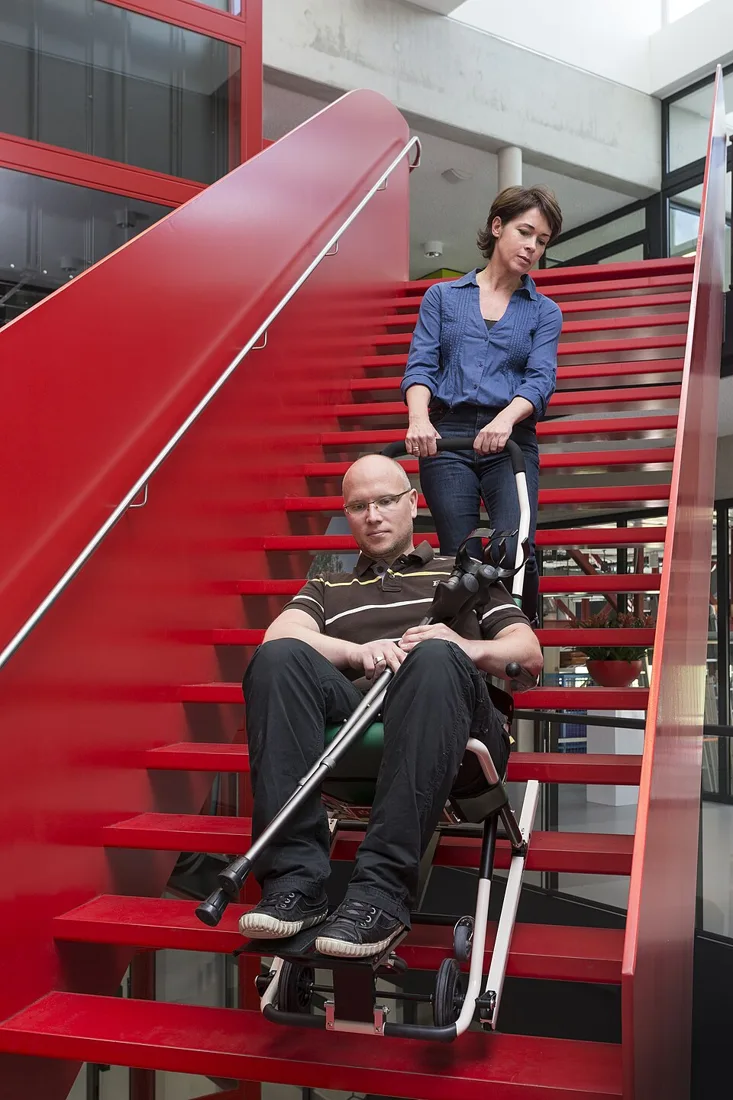
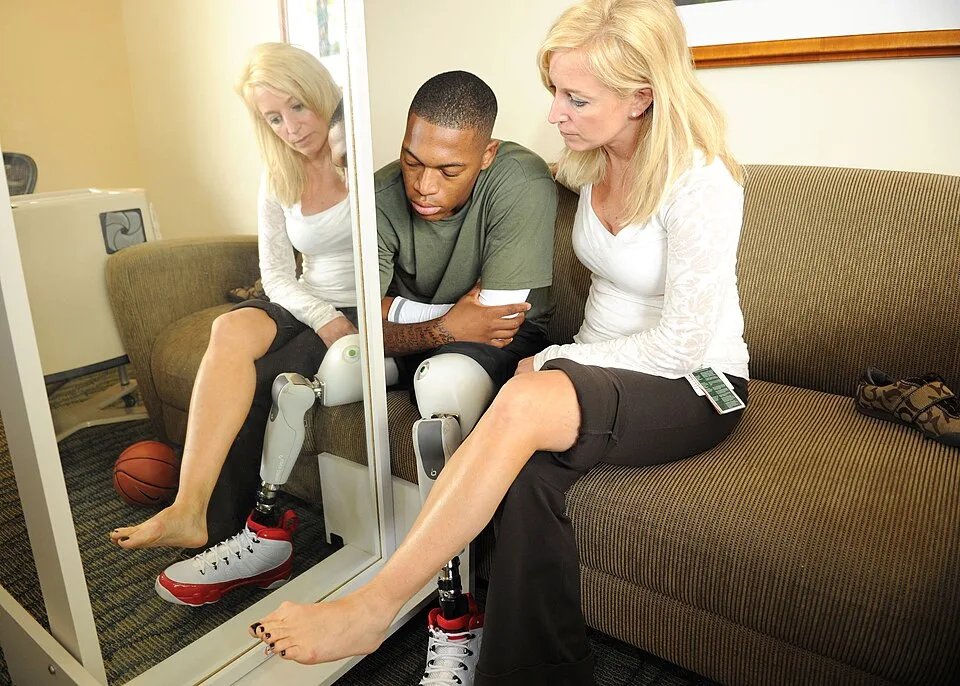
NHS Scotland describes occupational therapists’ work as including changes to tasks, equipment, assistive technology and adaptations to a living or working environment. Discussion might therefore cover the physical layout, the time allowed or the way an activity is organised. The appropriate response depends on the individual and the setting. People can arrive with similar descriptions of an obstacle and need different support.
A relative or colleague can help by describing what they have noticed and leaving room for the person to identify their own priorities. Taking over an activity may solve the immediate practical problem while removing something the person valued doing. Asking which part they want to do themselves can change the conversation.
For an appointment, a short note about one valuable activity, the troublesome step and what a good outcome would look like is a manageable starting point. One person may want to complete a whole morning routine independently. Another may simply want to sit with a child and take part in preparing breakfast again. Both are concrete goals that make participation easier to discuss.