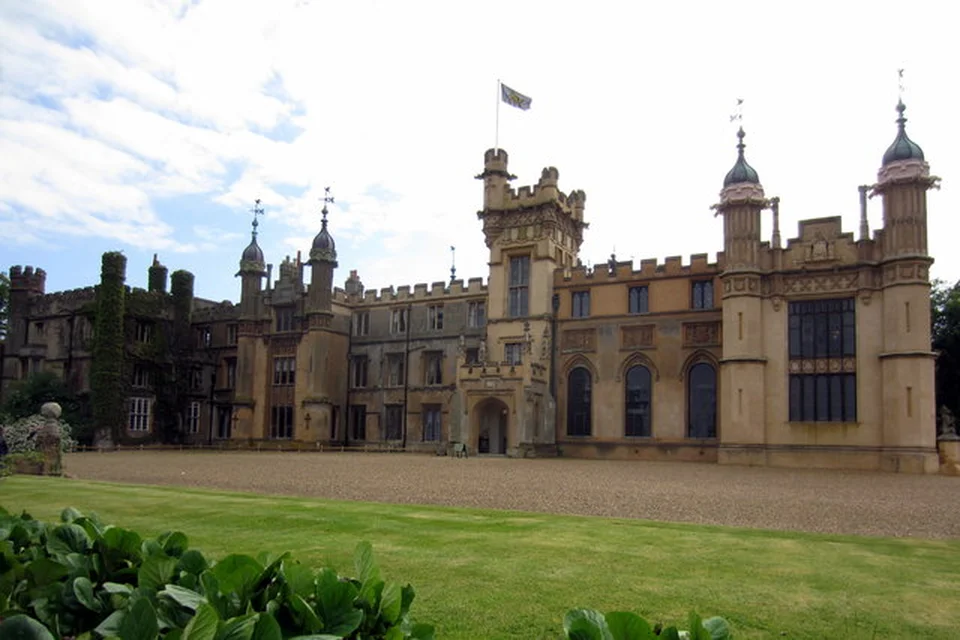
- The London library scheduled its Knebworth discussion for 5 August, ahead of the concerts’ 30th anniversary.
- Photographer Jill Furmanovsky documented rehearsals and the soundcheck as well as the performances.
- The two shows took place on 10 and 11 August 1996 and attracted more than 250,000 people combined.
Inside this story 2 perspectives
Place a photographer onstage, a publicist behind it and a journalist among the fans. Each person can give a faithful account of the same concert and leave out much of what the others saw. That is the premise of a Barbican Music Library discussion scheduled for 5 August, days before the 30th anniversary of two Oasis shows at Knebworth Park.
Photographer Jill Furmanovsky, the band’s former head of press Johnny Hopkins and journalist Dominic Mohan are on the London programme. Mohan, who curated the library’s exhibition about 1996, was in the audience at Knebworth. Between them the three occupied very different positions at an event attended by more than 250,000 people over 10 and 11 August 1996. The number establishes the scale. It cannot explain why certain pictures still represent that weekend three decades later.
A concert photograph can begin at rehearsal
Look through Furmanovsky’s collection and Knebworth begins in Birmingham. She photographed Oasis rehearsing at the NEC in July, when there was room to work around the musicians and to make pictures for the press. At the venue itself she photographed Liam Gallagher during the soundcheck on the day before the shows. A picture a fan associates with a concert can have been made before a single ticket holder entered the field.
That gives an archive value beyond its most familiar images. A caption that records a rehearsal, venue and date allows a later editor to distinguish preparation from performance. A sequence also puts an isolated portrait into context. The camera could get close because a working relationship already existed, and because someone had arranged access at a particular moment. The frame alone rarely reveals those conditions.
Who gets to tell it again?
The photographic book published for the concerts’ 25th anniversary paired Furmanovsky’s images with text by Daniel Rachel and firsthand accounts, including contributions from Noel Gallagher and Alan McGee. A reader could move between recollection and a material record. An anniversary talk adds another possibility. Someone in the room can ask where a person was standing, or whether two speakers remember the same moment differently.
A publicist can describe the decision to make a particular image available. A journalist can recall what reached the audience. A photographer can locate a picture in a sequence whose other frames were never as widely seen. Those are distinct pieces of cultural history. At a music library, a question as simple as who made a particular picture, and on which day, can turn a familiar band photograph into a new way of reading a concert.