- Lille scheduled its Braderie from 8am on 5 September to 6pm on 6 September.
- The children’s market and used-bike sale have specific Saturday locations.
- The official map identifies antiques dealers, associations and other sellers in different parts of the city.
Inside this story 2 perspectives
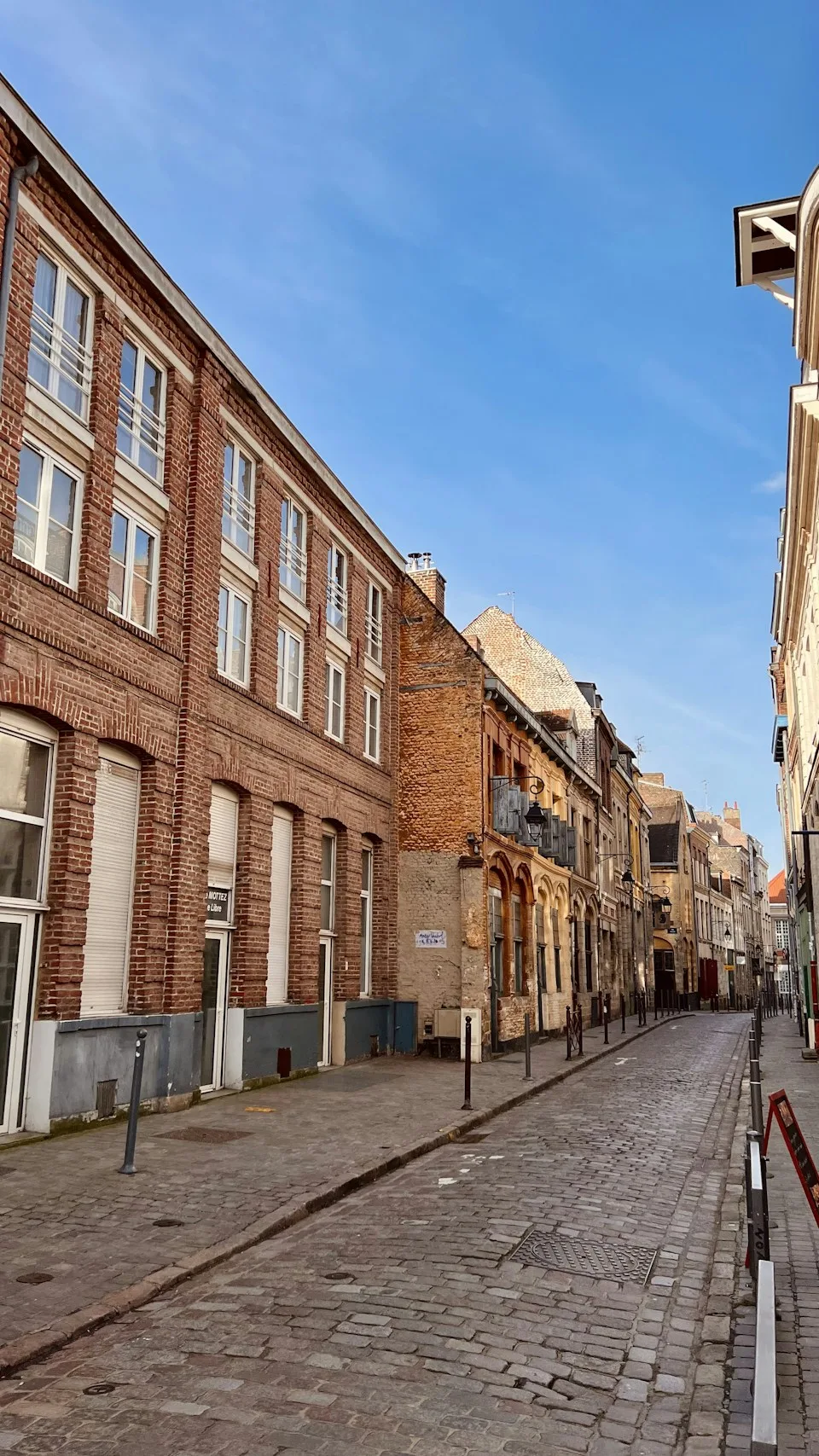
In Lille this weekend, someone looking for a child’s toy and someone hoping to take home a second-hand bicycle could easily spend hours walking in different directions. That is part of the pleasure of the Braderie, the northern French city’s great street market. It is also a good reason to look at the map before surrendering to chance.
The city scheduled 34 hours of browsing, from 8am on Saturday, 5 September, until 6pm on Sunday. For a first visit, those hours sound generous. Several of the more distinctive parts of the programme, however, belong to a particular place or day. A visitor who puts off the children’s market until Sunday will have missed it. Someone who searches indiscriminately for bicycle parts could walk past plenty of antique furniture first.
Choose the thing before the street
Saturday’s bicycle market is at Place de la Nouvelle Aventure. Lille describes it as a sale of both used bicycles and parts. A visitor replacing a component can take a photograph of the old one, note its dimensions and decide how much the repair is worth before starting to bargain. A person buying an entire machine has a different practical consideration. How will it travel home if it needs work before it can be ridden?
The children’s Braderie takes place at Gare Saint Sauveur on Saturday. It gives a family a place to aim for and gives children a scale of market they can understand. Choosing an object, setting aside a small sum and asking the seller a question is a different activity from being hurried past row after row of stalls.
For antiques and general browsing, the city points visitors to boulevards Louis XIV and de la Liberté, Avenue du Président Kennedy, nearby streets and the Esplanade. Its plan also marks a village of associations around the Porte de Paris, close to city hall. Looking at the type of seller on the map can be more valuable than counting how many streets a route covers.
Leave room for a find
Lille’s tourist office traces the market’s tradition back to the Middle Ages. What keeps a second-hand market interesting today is partly the information that stays with an object. A seller may know which piece belongs with a set or whether a mark is part of a repair. Even when neither side knows its history, turning something over and examining it together gives the conversation a purpose.
There is no obligation to fill a bag. Give one part of the market a specific job, whether finding a bicycle bell or investigating a chair, and leave a little time for whatever turns up next door. That gives a sprawling weekend the shape of an outing, without losing the surprise that makes the walk worth taking.