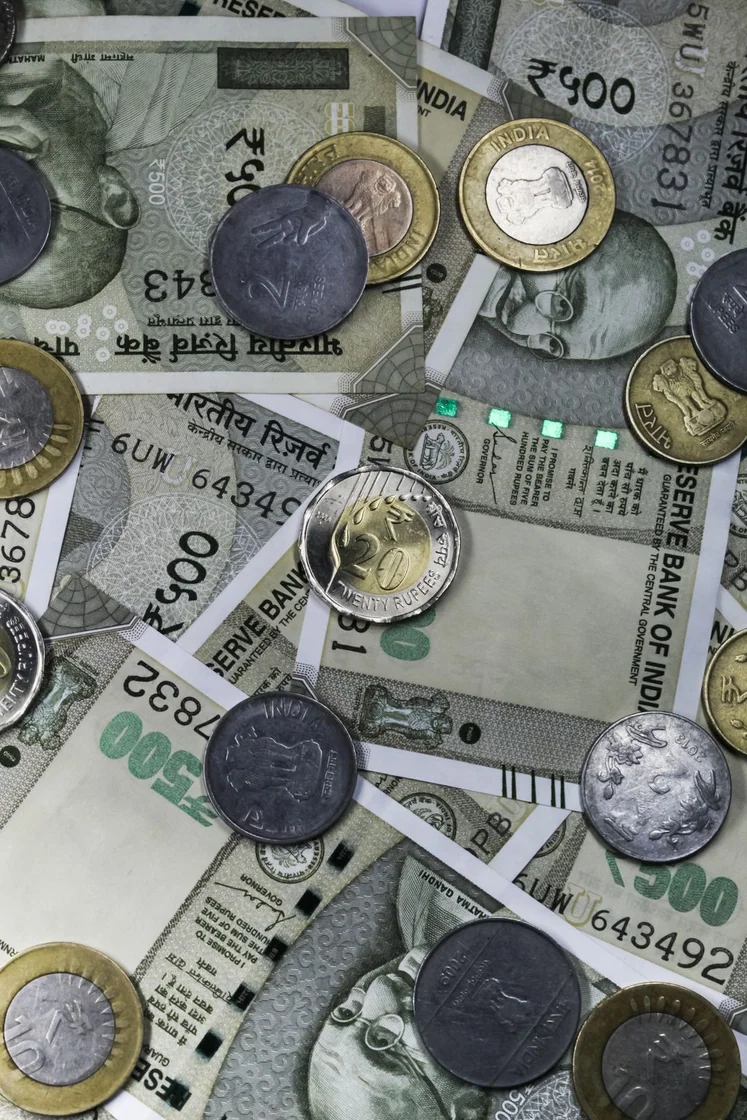
- India kept small-savings rates unchanged for 1 October through 31 December.
- PPF remains at 7.1% and five-year National Savings Certificates at 7.7%.
- Two schemes paying 8.2% have different eligibility conditions and interest schedules.
Inside this story 2 perspectives
Two Indian government savings products offer 8.2% in the quarter beginning on 1 October. One is the Senior Citizens Savings Scheme, with interest paid quarterly. The other is the Sukanya Samriddhi account for a girl child, with annual interest credit. The shared headline rate is an unusually clear illustration of what an interest-rate list leaves out: who the account is for, when money arrives and how long a saver is committing it.
India's Department of Economic Affairs said in its 30 September memorandum that rates for the three months ending 31 December would remain at the levels notified for July to September. The Department of Posts circulated the decision. It means there is no new rate to learn for this quarter. It does not make all of the schemes interchangeable or turn an annual percentage into a payment of that size every three months.
Read the period beside the number
The Public Provident Fund rate remains 7.1% and the National Savings Certificate rate 7.7%. The former generally has a 15-year term and the latter a five-year maturity. An Indian Bank rate table lists annual interest for both. Those periods make the products relevant to different spending dates. A family setting money aside for a known bill in a few years has a different question from a worker steadily building a longer-term fund.
The Post Office Savings Account rate remains 4%. A three-year post office time deposit carries 7.1% and a five-year deposit 7.5%. The three-year figure looks identical to the Public Provident Fund rate, even though the products have a different term and interest arrangement. A comparison based on the highest available percentage alone would conceal when the saver is expected to recover the principal and whether access before then is subject to conditions.
Interest paid out and interest accumulated
For a person using savings to help meet routine expenses, the timing of an interest payment matters alongside the amount. A quarterly distribution under the senior citizens' scheme serves a different purpose from an annual credit inside an account intended to accumulate for a child. The same starting sum and advertised annual rate need not put the same amount of spendable cash into a household during the quarter.
The government revisits the small-savings schedule by quarter. The notification gives the rates applicable now, and each product's own rules determine how it treats a deposit, what payments it makes and what conditions attach to withdrawal. For readers comparing the options, a short list of questions does more work than a ranking of percentages: who qualifies, when the money will be needed, what can be withdrawn, and when interest is paid. This October the numbers stayed where they were. The answers to those questions remain quite different.