- Researchers printed structures with micrometre-scale features.
- They recovered building blocks, reformed the polymer and tested it again.
- The demonstration does not establish costs or performance at industrial scale.
Inside this story 2 perspectives
A tiny, finely printed object can be surprisingly difficult to unmake. Light-based 3D printers turn liquid material into a solid network, building precise shapes one exposure at a time. The links that keep a finished structure from falling apart also make its original components hard to recover. A Heidelberg team has demonstrated a way to take advantage of both properties in a material designed for the purpose.
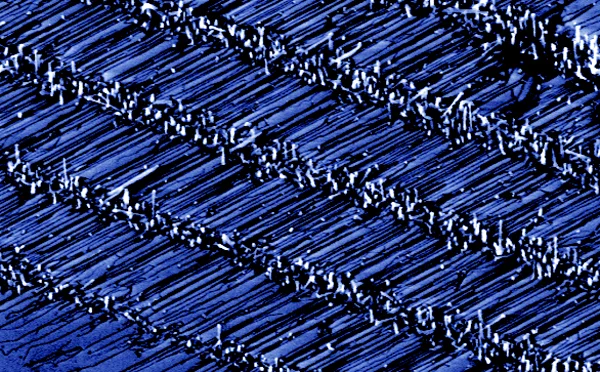
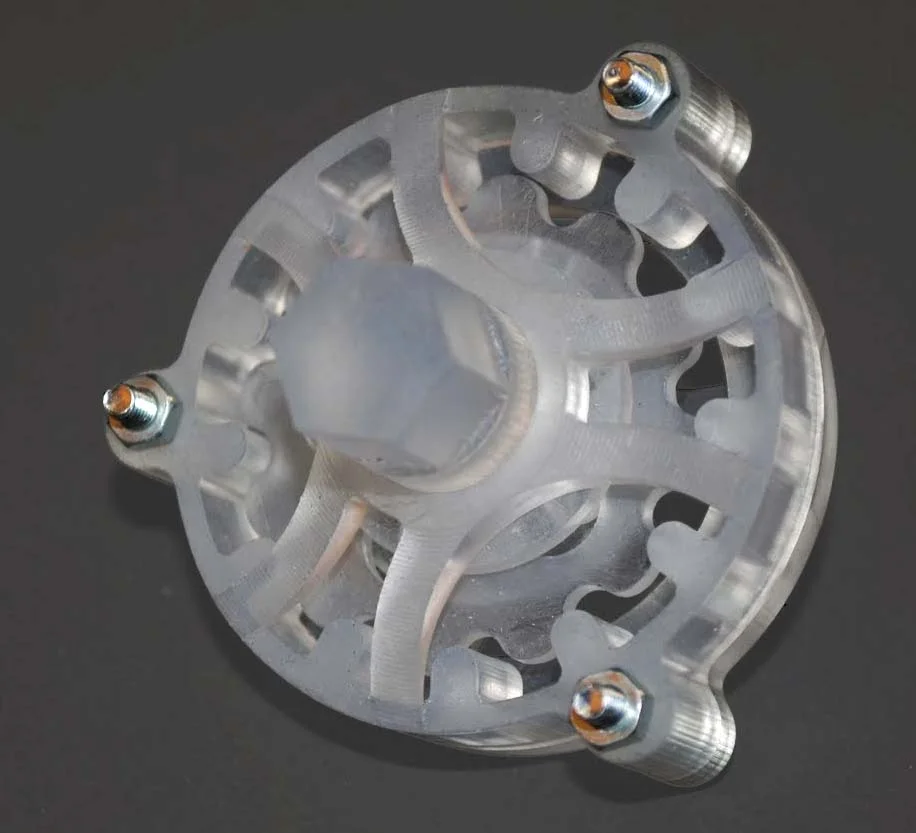
The research was published in Advanced Materials on 18 August and described by Heidelberg University the following day. Eva Blasco and colleagues printed complex structures with features on the micrometre scale. Under a selected chemical trigger, the material came apart into its molecular building blocks. The team then recovered those building blocks, made polymer again and used the resulting material in another printing process.
What counts as going round the loop?
An object breaking into small pieces is only the beginning of a recycling claim. Each piece might still contain the original network, merely fractured into fragments. Those fragments could serve as filler in another product, but that is a different outcome from recovering the ingredients of the starting material. The Heidelberg experiments are interesting because the team followed the process past the point at which the printed object disappeared.
The scientists compared the recycled polymer with the starting material using spectroscopy, a way of studying how matter interacts with light to obtain information about its chemical structure. They reported the same chemical composition at the molecular level and comparable behaviour when the material was used to print again. That second printing step addresses a practical question a manufacturer would ask. Are the recovered ingredients useful for the job the original polymer did?
The result concerns a material engineered specifically for this process. It offers no general method for taking apart every resin already in use, nor does it establish what would happen if several unrelated resins were mixed in one recovery stream. A laboratory can keep track of which material went into each sample. A commercial waste operator may receive a bag of parts with an incomplete or missing description.
The next questions come from the workshop
A company evaluating the idea would want to know how many cycles it could run before the output changed, how it could identify or separate used parts and what recovery would cost at the relevant production scale. The energy and materials used to collect, process and remake a part belong in any environmental comparison. A successful return to the printer is meaningful evidence, but it does not by itself settle those broader questions.
For prototyping and specialist manufacturing, the prospect is particularly concrete. A discarded test component might contain material useful for another attempt at the same design. The achievement in Heidelberg was to show that this possibility can be tested all the way through. The object kept its intricate shape when needed, then supplied material for a fresh print when its first job was done.