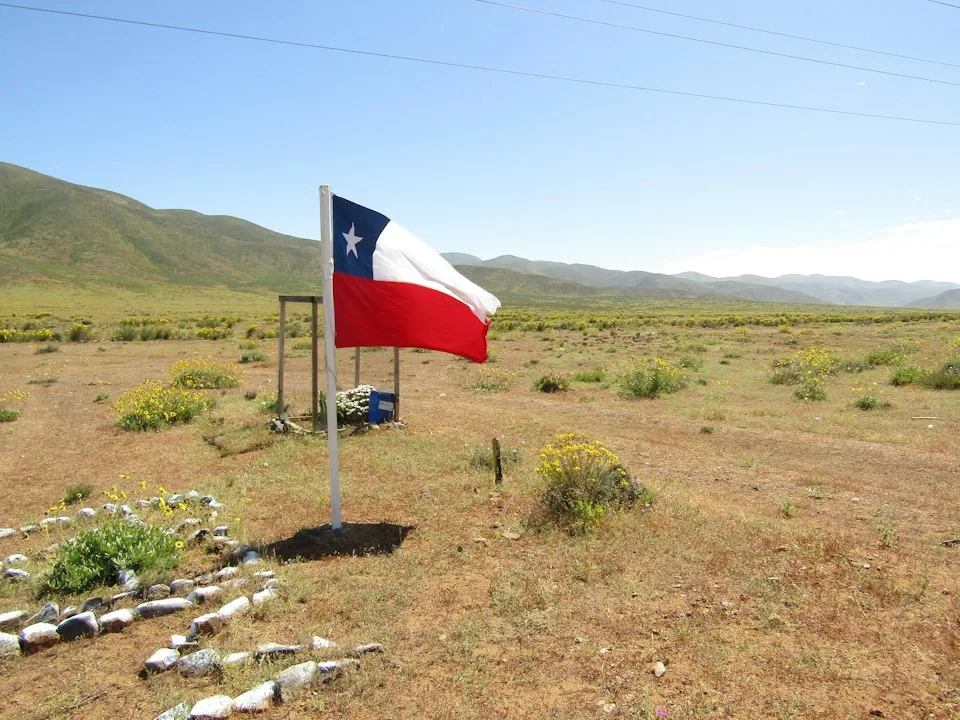
- Chile’s 2026 Fiestas Patrias celebrations centre on 18 and 19 September.
- The first governing junta was elected in Santiago on 18 September 1810.
- Fondas and ramadas bring food, dance and traditional games into the public celebration.
Inside this story 2 perspectives
The quickest way to understand Chile’s Fiestas Patrias may be to spend an afternoon at a fonda. An empanada can be eaten standing up, but the gathering rewards a little more time. People come to dance cueca, share food and play games. Someone arriving at lunchtime may leave remembering a kite or a tune more clearly than the meal. The public celebrations on 18 and 19 September bring many versions of a national holiday within sight of each other.
The date most people call simply the eighteenth points to a specific meeting. On 18 September 1810 an open council in Santiago elected the first governing junta. Chile’s National Archives preserves the record and notes that about 400 people attended, drawn from the city’s prominent families. It was an important stage in the process that led to independence. The number of people taking part, and the people they represented, were much narrower than the public now celebrating the date.
A holiday finds its date
September did not immediately have the field to itself. The archives describe earlier nineteenth-century observances in February linked to the Battle of Chacabuco. By the 1830s, the September occasion had become the established national celebration of independence. The way a country chooses a date for a shared holiday tells a different story from a textbook timeline of every decision in a struggle for independence.
For a visitor, the distinction takes very little effort to keep straight. The anniversary on the eighteenth recalls the 1810 council. The gatherings now held around it have their own history. A person can take part in the public life of the holiday without first mastering every stage in that chronology, just as a family can pass on the words to a song before a child knows when it was written.
Find a place to stay a while
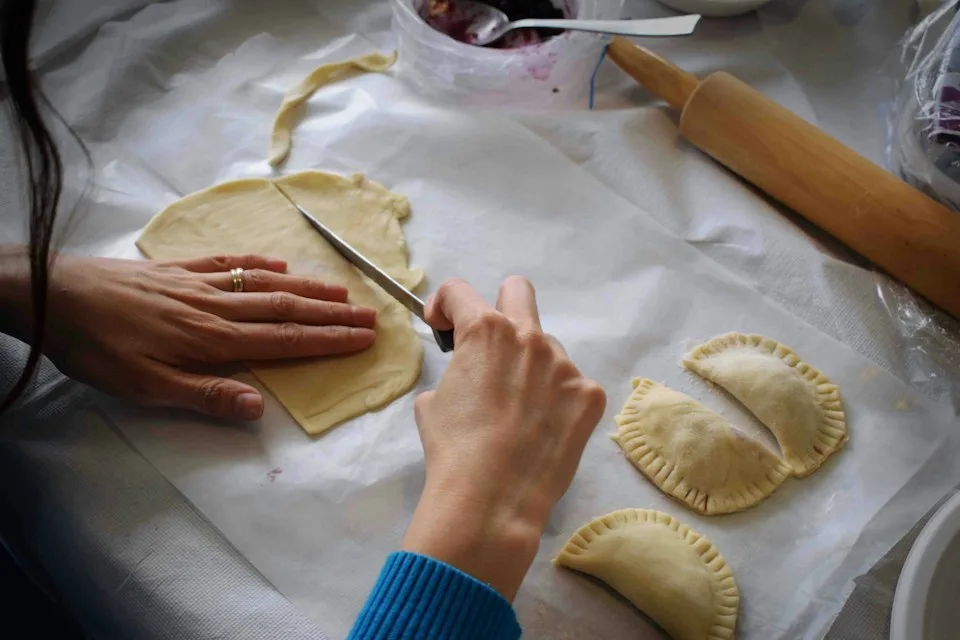
Chile’s tourism service describes fondas and ramadas hosting celebrations across the country. Food, music and space for dancing draw people together, with empanadas and barbecues among the familiar features. Traditional games and kite flying also have a place. There is no requirement to fit every activity into a single visit. Watching one complete dance can be more revealing than rushing among several venues in search of a supposed definitive experience.
An archive document and a table of food may seem a long way apart. In this case they offer two ways into the same holiday. The document tells a visitor who was in a particular room in Santiago on a September day in 1810. A fonda gives a sense of the much larger number of people who now claim the anniversary as their own.