- Apple Day had been scheduled for Sunday 18 October at Cambridge University Botanic Garden.
- The garden attributed the cancellation to low harvests and insufficient quantities of heritage varieties.
- The East of England Apples and Orchards Project offered to receive fruit samples for identification.
Inside this story 2 perspectives
Cambridge University Botanic Garden was open on Sunday 18 October. Its Apple Day was not. The distinction matters for anyone who had circled the date as a chance to taste kinds of apples seldom found side by side in a shop. The garden had called off the event because summer drought left the harvest too small to supply a wide selection of heritage fruit in the quantities a public tasting needs.
The original programme included heritage apples to taste and buy, help identifying mystery fruit and advice on growing and pruning trees. That list explains why the organisers decided against substituting a general autumn fair. There is a difference between finding enough apples to put on a stall and finding enough examples of many named varieties to keep a tasting going for a whole day. A supermarket delivery could solve the first problem while defeating the purpose of the occasion.
Why a small crop changes the conversation
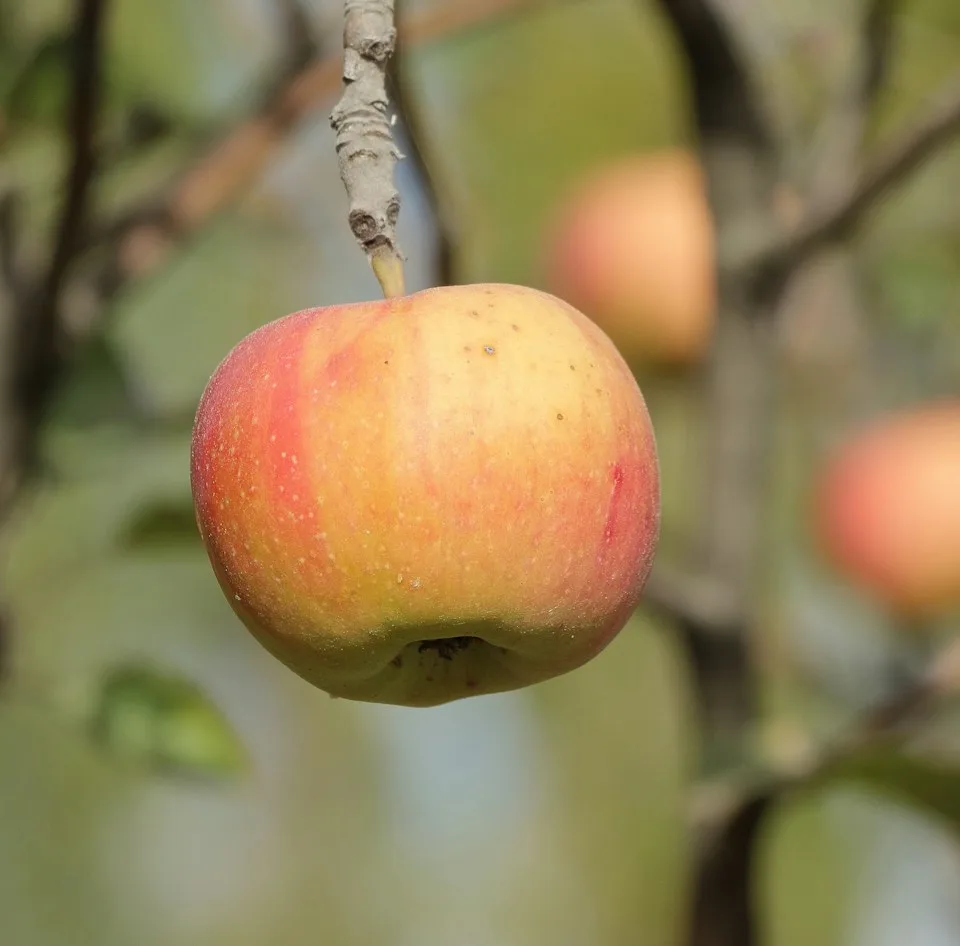
A single apple can tell its owner quite a lot. It can show the colour and shape of a particular fruit, how its flesh feels and whether a bite is sharp or sweet. For somebody uncertain about a tree inherited with a garden, the experts on the original Cambridge programme asked for samples with a stalk and leaf attached where possible. Those details can help an experienced identifier go beyond a guess based on colour.
A tasting for hundreds of visitors asks a crop to do something else. Everyone needs an opportunity to compare. An early group that samples several different apples and a late group that finds one remaining bowl would have bought tickets to substantially different events. The garden identified precisely that breadth of tasting as its main draw. A shortage of some varieties can therefore make the whole event impractical even if apples remain available elsewhere.
The question left in the fruit bowl
The East of England Apples and Orchards Project, which was to help visitors with identification, offered another route for people with unnamed fruit. In its cancellation notice it invited people to send samples to the project. Anyone who came primarily to discover what was growing behind the house therefore still had a way to pursue that narrower question.
For those who wanted a Sunday walk, the garden’s notice said it would open as usual for the autumn colour. Looking at a tree is a different pleasure from tasting its fruit, and this year that gap has made the dependence of a food festival on a particular season unusually visible. A date can be reserved many months ahead. A regional orchard cannot promise that every variety will bear enough fruit to fill the table.